
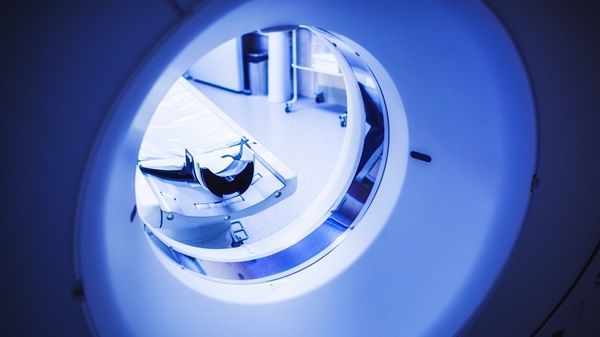
MRIs Can Play a Key Role In Diagnosing Orthopedic Injuries
Not all injuries are easy to spot. After a work accident or sports injury, a physical exam or X-ray may not always reveal the problem, even when discomfort, weakness, or limited movement persists. When symptoms don’t match what basic imaging shows, orthopedic doctors often turn to more advanced tools to get answers. Of those tools, one of the most important is an MRI.
At IMC Bone Doc, our orthopedic specialists use MRIs to look deeper into joints, muscles, ligaments, and soft tissue, areas where injuries can easily be missed. For patients dealing with ongoing pain or unexplained symptoms, an MRI can help identify the true source of the problem and guide the right treatment plan.
What is an MRI?
An MRI, or magnetic resonance imaging scan, uses powerful magnets and radio waves to create detailed images of the inside of the body. Unlike X-rays or CT scans, MRIs do not use radiation and are especially effective at showing soft tissues.
This makes MRIs especially helpful in orthopedic care, where injuries often involve:
- Muscles
- Tendons
- Ligaments
- Cartilage
- Spinal discs
- Nerves
Since MRIs produce highly detailed images, they allow doctors to see subtle damage that may not appear on other imaging tests.
Why some injuries don’t show up on X-Rays
X-rays are excellent for identifying broken bones, but they have limits. Many orthopedic injuries involve soft tissue damage rather than fractures. Conditions like ligament tears, muscle strains, or cartilage injuries often won’t appear on an X-ray at all.
This is why a patient may still be in pain even after being told their X-ray looks “normal.” An MRI can reveal injuries that might otherwise be missed.
Common injuries seen on an MRI
MRIs are commonly used to diagnose a wide range of orthopedic conditions, including:
- Torn ligaments, such as ACL or rotator cuff tears
- Muscle strains or tears
- Tendon injuries, including tendinitis or partial tears
- Cartilage damage in the knee, shoulder, or hip
- Herniated or bulging discs in the spine
- Traumatic brain injuries (TBIs), especially when symptoms develop later or don’t show up on initial testing
- Joint inflammation or swelling
- Stress fractures that may not show up right away on X-rays
Identifying these injuries early can help prevent further damage and allow treatment to begin sooner.
How MRIs help guide treatment decisions
Getting the diagnosis right is key to choosing the right treatment. MRI results give a clear view of where an injury is and how serious it may be. With that information, doctors can decide whether conservative care—like physical therapy, medication, or injections—is the best approach, or if surgery may be needed. MRIs also help doctors:
- Confirm the cause of pain
- Rule out more serious conditions
- Track healing progress over time
- Create personalized treatment plans
When an orthopedic doctor may recommend an MRI
An orthopedic doctor may recommend an MRI if:
- Pain persists despite initial treatment
- Symptoms worsen over time
- Your range of motion is limited without a clear cause
- There is concern about ligament, tendon, or cartilage damage
- A detailed view is needed before surgery or advanced treatment
At IMC Bone Doc, all of Our Offices Have an MRI machine
MRIs give orthopedic doctors the ability to see beyond bones and identify hidden damage that may be affecting your movement, comfort, and quality of life.
At IMC Bone Doc, we help patients across New York City and surrounding areas access our experienced orthopedic specialists, who use advanced diagnostic tools to deliver accurate diagnoses and effective care. Our doctors are committed to helping patients understand their injuries and take the next step toward recovery. All of our offices are equipped with an MRI machine and the latest, state-of-the-art equipment.
If you’re experiencing ongoing pain or unexplained symptoms, contact us today to schedule an appointment. An orthopedic evaluation, along with an MRI, can help identify the cause and guide appropriate treatment.