
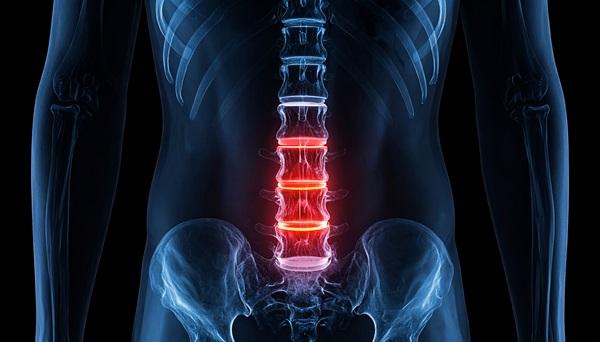
Spinal fusion surgery helps stabilize the spine and relieve chronic pain
Living with constant back pain can feel like trying to build a house on a shaky foundation. No matter how carefully you move, everything wobbles. For many people, spinal fusion surgery becomes the way to rebuild that foundation and reinforce the spine so it can support the rest of the body without pain. While it’s not the first treatment doctors turn to, spinal fusion can be a life-changing solution for those whose back problems have outlasted every other option.
What exactly is spinal fusion surgery?
Spinal fusion is a procedure that connects two or more vertebrae in your spine so they heal into one solid bone. In a healthy spine, the vertebrae act like a stack of rings that move slightly as you bend, twist, and stretch. One or more of those rings can become unstable due to an injury or wear and tear. It can then rub against nerves, causing pain every time you move.
During spinal fusion, a surgeon places bone grafts between the affected vertebrae and often reinforces them with screws, plates, or rods. Over time, the graft helps the bones grow together, stabilizing that section of the spine. The goal is to prevent painful movement between the vertebrae and to protect nearby nerves from ongoing pressure.
When might a doctor recommend spinal fusion?
Doctors usually suggest spinal fusion only after other rest, medication, and physical therapy haven’t provided relief. The surgery is meant for structural problems in the spine that won’t heal on their own or continue to cause severe pain and weakness. In every case, the goal isn’t just to stop pain; it’s to restore balance, prevent nerve damage, and allow patients to move and live without fear that their spine will give out.
Common reasons for spinal fusion include:
- Degenerative disc disease: When spinal discs wear down, vertebrae can grind together, leading to chronic pain and instability.
- Herniated or ruptured discs: If part of a disc presses on a nerve, removing the damaged tissue and fusing the bones can help stop the pain.
- Scoliosis or other spinal deformities: Fusion can help straighten and stabilize the spine’s curve.
- Spondylolisthesis: This condition occurs when one vertebra slips forward over another. Fusion helps secure them in place.
- Spinal fractures or injuries: After trauma, fusion can restore stability where bones or ligaments can no longer hold the spine steady.
- Infections or tumors: When disease weakens or damages spinal bones, fusion may prevent further collapse.
What happens during the procedure?
Spinal fusion is performed under general anesthesia, so patients are asleep for the entire surgery. The approach depends on where the problem lies. The surgeon may reach the spine from the back (posterior), front (anterior), or side (lateral). Once there, the damaged disc or tissue is removed, and bone graft material from the patient’s pelvis, a donor, or a synthetic source is placed between the vertebrae.
Metal screws, rods, or plates act like scaffolding to hold everything in position while the bone graft heals. Over several months, the graft encourages natural bone growth by fusing the vertebrae into one solid piece. While this limits movement in that section, it also removes the instability that caused the pain in the first place.
Depending on how many vertebrae are involved, the operation can take anywhere from one to five hours. Afterward, patients typically stay in the hospital for a few days for observation, pain control, and assistance with early mobility.
What can recovery look like?
Healing from spinal fusion is a gradual process. Most people can resume light daily activities within a few weeks, but full recovery may take several months. A back brace may be used to stabilize the spine, and physical therapy is often recommended to rebuild strength and teach safe movement techniques.
Pain after surgery is common but should steadily improve as the body heals. Patients may notice reduced flexibility in the fused section of their spine, but this trade-off often means a significant decrease in pain and a return to a more active lifestyle.
It’s important to reach out to your care team if you experience warning signs such as fever, increased swelling, or sudden numbness or weakness in your legs. These could indicate infection or nerve issues that need immediate attention.
Take the first step toward healing your spine
If back pain or spinal problems have become part of your daily life, it’s time to take control. Island Musculoskeletal Care (IMC Bone Doc) is ready to help you do it. Our board-certified orthopedic spine surgeons in New York specialize in diagnosing the source of your pain and creating a treatment plan that truly fits you. Whether your condition calls for conservative care or you’re ready to explore options like spinal fusion, you’ll have a team of experts who’ve helped thousands of patients find relief and reclaim their lives.
When you schedule a free consultation, you’re not rushed or handed off. You’ll meet one-on-one with a specialist who listens, reviews your MRI or imaging results, and explains your treatment options. Together, we can map out a personalized treatment plan to help you move freely again. With seven convenient offices across New York City and Long Island, care is always within reach.
Don’t let back pain dictate your day. Contact us online or call to book your free spine consultation with IMC Bone Doc today. The sooner you get answers, the sooner you can start living on your own terms again without the weight of pain slowing you down.
"...Been going here for a while and want to thank them for taking excellent care of me. I really do recommend coming here." - D.M., ⭐⭐⭐⭐⭐