
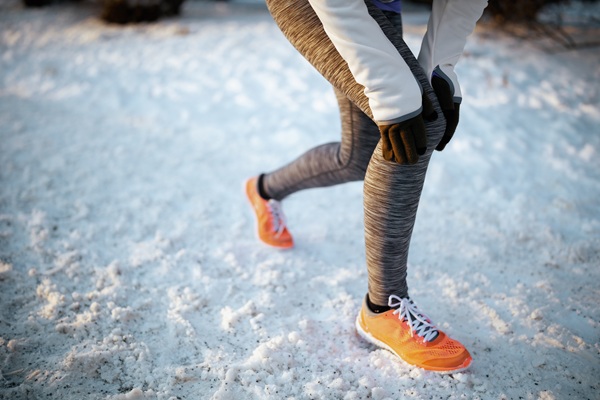
Winter doesn’t create joint problems, but it often exposes them
New York winters have a way of getting into your bones – literally. When temperatures drop, many people notice their knees or hips aching more than usual. For some, it’s a mild stiffness when stepping off the subway. For others, it’s sharp pain climbing stairs, difficulty walking on icy sidewalks, or a flare-up of an old injury they thought had gone quiet.
Cold weather doesn’t cause orthopedic injuries, but it can make existing joint problems harder to ignore. If knee or hip pain consistently worsens in the winter, it may be a sign of an underlying issue that needs real medical attention, not just an extra layer of clothing.
Here’s why your joints protest during New York’s colder months, what symptoms you shouldn’t ignore, and how an orthopedic specialist can help.
Why cold weather makes joint pain worse
When temperatures drop, several physiological changes occur that can aggravate existing orthopedic problems:
Joint fluid becomes less effective
Synovial fluid acts like motor oil for your joints. In cold weather, it becomes thicker and less efficient. This makes movement feel stiff and increases friction in already irritated knees and hips – especially if you have arthritis, a meniscus tear, cartilage loss, or labral damage.
Muscles tighten and lose elasticity
Cold weather naturally causes muscles and soft tissues to contract. Tight muscles place more stress on the joints they support. If you have hip flexor strain, IT band syndrome, or chronic quadriceps tightness, winter can intensify that discomfort.
Barometric pressure drops
Falling pressure can cause tissues in and around the joint to expand slightly. For healthy joints, this goes unnoticed. But for joints with inflammation — arthritis, bursitis, tendinitis — this expansion amplifies stiffness and swelling.
Old injuries flare up
People who previously injured their ACL, meniscus, labrum, or hip cartilage often experience renewed pain in the winter because damaged tissue is more sensitive to pressure and temperature changes.
Your activity level changes
Shorter days, icy sidewalks, and early sunsets often reduce daily movement. Less activity leads to stiffness and weaker supporting muscles — especially around the knees and hips.
When winter pain signals an orthopedic problem
Some discomfort in cold weather is common, but persistent or worsening pain is not normal. Winter can reveal underlying issues such as:
- Knee arthritis or cartilage loss - Pain when walking, bending, or climbing stairs may indicate worn-down cartilage or early osteoarthritis.
- Meniscus tears - Worsening pain, swelling, catching, or instability — especially in cold, damp weather — may signal a tear that needs treatment.
- Hip labral tears - Pain in the groin, side of the hip, or deep in the joint that worsens with twisting or weight-bearing is often more noticeable in cold weather.
- Bursitis or tendinitis - Inflamed tissues become more reactive in winter, especially after sitting, long commutes, or walking on uneven, icy ground.
- Recent surgery or joint procedures - Cold temperatures can slow circulation, increasing stiffness around surgical sites. Patients recovering from ACL repair, meniscus surgery, or total hip/knee procedures commonly experience more discomfort during winter.
- Mechanical issues - If your knee “gives out,” locks, or catches while navigating winter conditions, that’s a sign of a structural problem, not just cold-weather soreness.
When you should see a doctor
Some symptoms suggest the issue is more than seasonal stiffness:
- Pain that keeps getting worse instead of improving
- Swelling after activity
- Sharp pain with twisting or pivoting
- Knee instability, giving way, or locking
- Difficulty putting weight on the leg
- Persistent hip pain radiating into the thigh or groin
- Pain that interferes with sleep or daily activity
These signs often point to treatable orthopedic conditions — but ignoring them can lead to worsening damage.
How NYC orthopedic specialists diagnose and treat joint pain
A comprehensive evaluation may include:
- A physical exam assessing mobility, stability, and tenderness
- On-site X-ray or MRI to identify cartilage loss, tears, or degeneration
- Personalized treatment, including physical therapy, bracing, injections, or minimally invasive procedures
- Surgical repair when conservative care isn’t enough
Targeted treatment can restore movement, reduce pain, and help you stay active through winter and beyond.
If winter has made your knee or hip pain impossible to ignore, the orthopedic specialists at Island Musculoskeletal Care (IMC Bone Doc) are here to help. Our board-certified, fellowship-trained NYC surgeons diagnose complex joint problems, explain your treatment options, and provide advanced care tailored to your needs. With seven convenient locations across New York City and Long Island, relief is always within reach.
Don’t wait for spring to feel better. Contact us today to schedule your appointment and take the first step toward lasting knee and hip relief.